cURL Error: 0 Press Room Team – Página 41 – International World Of Business

Autor: Press Room Team

  • Director General’s Report on the Air Transport Industry AGM 2021

    Director General’s Report on the Air Transport Industry AGM 2021

    he COVID-19 pandemic that essentially brought global aviation to a halt in April 2020 is now virtually endemic.

    This AGM is an early symbol of how we can work, meet, connect, live and travel with COVID-19 in our world.

    Aviation’s resilience, which has been a hallmark of our industry, is now on display.

    • Demand for cargo is tracking at nearly 8% above pre-crisis levels.
    • Some domestic markets are nearly back to pre-COVID-19 levels, telling us that people want to travel
    • And while August traffic was still far below 2019 levels, recent announcements relaxing border restrictions should give international markets a critical boost

    We are also seeing improvements in finances. We expect 2021 losses to be nearly $52 billion—cut dramatically from the $138 billion lost in 2020. Losses will further reduce in 2022—to about $12 billion. In total, the COVID-19 crisis will cost aviation $201 billion in losses before we return to profitability in 2023. 

    We are past the deepest point of the crisis. While serious issues remain, the path to recovery is coming into view.

    And we must walk that path with our partners across the value chain and with governments. Some 4% of global GDP, 88 million jobs and the freedom of billions of people to fly rests on the efforts of many partners. Our resilience will be tested as we work together:

    • To keep aviation safe and secure
    • To manage the risks of COVID-19, and
    • To make aviation sustainable 

    Safety and Security

    Only last month we marked two decades since the terrible events of 9/11, another time when our resilience was severely tested.

    Aviation is a symbol of freedom. And we witnessed horror as four civilian aircraft were converted to weapons to attack New York and Washington, DC. We pay deepest respect to all those who lost their lives on that darkest of days and remember the courageous actions of so many.

    We should also recall the determined effort of airlines, our industry partners, and governments to respond and restart. As always, safety and security were the top priorities. And industry processes, infrastructure and even aircraft were adapted to deal with a transformed threat of terrorism.

    In hindsight, we know that it took too long to recognize that working together and sharing vital information are the foundations of a strong defense against terrorism. There is no doubt that we are far more secure today than in 2001. But we could be much more efficient if we eliminated measures that have been surpassed by technology. We cannot allow this same mistake to be repeated with COVID.

    And when it comes to safety, we must always be vigilant.

    • The recent deplorable Belarus incident reminded us that two wrongs can never make a right. We must stand together and insist that all authorities respect their bilateral commitments and keep safety regulation free from political agendas or influence.
    • And the ongoing experience of returning the 737 Max to service reminds us that we have further work to do. We must get back to a safety regulatory system that relies on mutual recognition and reciprocity. When regulators disagree we need them to rely on expert technical modelling to align approaches and resolve those differences with a laser focus only on safety.

    COVID-19

    Today the immediate challenge is COVID 19, or more correctly the reaction of governments to the risk presented by the virus.

    The good news is that people want to fly. And they are confident.

    Under the leadership of ICAO and with strong support from the industry, we have a clear set of measures to keep travelers safe while flying. The solid rebound in domestic markets tells us that people are not afraid to fly. And nearly 90% of those who have flown recently reported that they felt safe.

    How our partners in government are managing border restrictions, however, must dramatically improve.

    Travel restrictions bought governments time to respond in the early days of the pandemic. Nearly two years later, that rationale no longer exists. COVID-19 is present in all parts of the world. And there is little evidence to support ongoing blanket border restrictions and the economic havoc they create.

    Testing results for UK arrivals demonstrate that travelers are not adding risk to the local population.

    • Of the 4.2 million arrivals between February and the end of August this year, only 57,200 tested positive.
    • These 4.2 million people had to take more than 6.4 million expensive PCR tests. The positivity rate was less than 1%.
    • During the same period more than 32 million PCR tests were taken in the general population and 2.2 million of them were positive. That’s a positivity rate of almost 7%. Five times the number of tests but 37 times the number of positives.

    This is why we can say with confidence that flying is not the risk.  

    Fortunately, risk-based measures are starting to take hold in markets that had some severe restrictions.

    • The EU took an early decision to open to vaccinated travelers.
    • Canada followed.
    • The US and UK have announced similar measures.
    • Singapore has vaccinated traveler corridors.
    • Even Australia—which had the most severe restrictions on the freedom of its people—will begin re-opening its borders based on vaccination from next month.

    Taking this recent momentum forward, our asks for opening borders are simple and align with the WHO:

    • Vaccines should be available to all as quickly as possible
    • Vaccinated travelers should not face any barriers
    • Testing should enable those without access to vaccines to travel without quarantine
    • Antigen tests are the key to cost-effective and convenient testing regimes, and
    • Governments should pay for testing, so it does not become an economic barrier to travel

    It is also clear that digital health credentials—documentation of vaccination or testing status—will be needed as borders re-open. Experience even at today’s low levels of travel tells us that there will be chaos in airports if we rely on paper processes.

    Europe has made a good start. The EU Digital COVID Certificate (EU DCC) is an efficient and reliable standard to record test and vaccination status. If governments are looking for a standard to follow, this is our recommendation.

    And if governments are looking to manage travel health credentials using e-gates, the IATA Travel Pass is a solution. Irrespective of government use, an automated solution is essential for airlines. They will need to manage documentation verification using automated check-ins. If not, airport wait times and congestion will skyrocket as travel volumes increase. After extensive testing, it’s great to see the IATA Travel Pass entering regular operations.

    There is also lot of work to do to simplify entry requirements.  The recovery could be highjacked by complex “made-at-home” rules. For example:

    • Governments are using at least 24 versions of country risk-assessment lists
    • Only half of the 20 states with alleviations for vaccinated travelers recognize the complete WHO vaccine list
    • There are at least 6 definitions for when a vaccine becomes effective, and there is no standard for how long a vaccine is considered good to travel
    • There are at least ten ways to define testing windows prior to travel
    • And there is no consensus on the age of children for testing or vaccination exemptions

    Even these few examples demonstrate that the situation is a mess. It’s stalling recovery.

    Complete harmonization is unlikely. But some simple best practices that travelers can comprehend should be achievable.

    On Thursday last week the G7 recognized the problem and committed to doing something about it. That will be progress if their words lead to action.

    Another opportunity is the ICAO High Level Conference on COVID-19, if it can produce concrete results:

    • A pathway to reducing complexity
    • And a methodology to ensure that COVID-19 measures do not become permanent

    Measures must remain in place only for as long as they are needed—and not a day longer. As we do with many safety regulations, defined review periods are needed. Otherwise, as we saw in the aftermath of 9.11, well-intentioned measures could remain in place long after they are necessary or have become technologically or scientifically obsolete.

    We will also need the support of our industry partners—particularly airports and air navigation service providers.

    With these partners the issue is cost. Everybody has suffered massive COVID losses, but some providers are abusing their position.

    From the onset of the pandemic airlines have undertaken drastic cost reductions. Operating costs were reduced by 35% compared to pre-crisis. This was supported by increased commercial borrowing and shareholder contributions as a means of survival. 

    Where this huge effort was not enough, airlines have had to actively seek government aid as an essential lifeline. But let’s be clear, of the $243 billion that was made available to airlines, $81 billion supported payrolls and approximately $110 billion is in the form of support that needs to be paid back.

    The problem is that some airports and ANSPs are seeking a solution to shore-up their finances by recovering “lost revenue” from their airline customers. You heard that correctly. Some of our so-called partners want to increase charges to recover the money that airlines could not spend with them during the crisis.

    While not universal, here are some examples of the gouging that is being planned

    • NavCanada charges will increase 30% over the next five years
    • Ethiopia’s ANSP is raising charges 35% this year
    • European ANSPs are asking for a 40% price hike in 2022

    On the airport side:

    • Here in the US we have seen a spate of large increases
    • Airports Company South Africa wants to raise charges by 38% in 2022
    • Amsterdam Schiphol airport is asking for 40% over three years
    • And Heathrow is off the chart with a proposed 90% increase next year

    Let me remind you what Heathrow said only a few months ago; “We continue to work closely with airlines on the impact of COVID 19, listening and responding to their needs and priorities for the months and years ahead.” Are you kidding me? Do they honestly expect us to believe that a 90% increase in charges will help airlines?

    We all want to put COVID-19 behind us. But placing the financial burden of a crises of apocalyptic proportions on the back of your customers, just because you can, is a commercial strategy that only a monopoly supplier could dream up. Reducing costs—not increasing charges—must be at top of everyone’s agenda.

    But total confirmed airport and ANSP charges increases announced in 2021have already reached $2.3 billion. It’s outrageous.  And, if unchecked, it will get worse.

    That’s why I am ringing the alarm. This must stop! 

    Infrastructure shareholders, governmental or private, have benefited from stable returns pre-crisis. They must now play their part in the recovery. It is unacceptable behaviour to benefit from your customers during good times and stick it to them in the bad times.

    Sustainability

    Looking beyond the crisis, we all recognize that the freedom to fly will depend on our ability to fly sustainably.

    Today we power our aircraft with kerosene. Carbon is emitted when we burn it. That contributes to climate change.

    Like all industries we must reduce and eventually eliminate these emissions. Unlike other industries, however, more than a decade ago we set a target to address this by cutting emissions to half 2005 levels by 2050.

    Since then, our achievements prove our determination:

    • Airlines invested hundreds of billions of dollars in more fuel-efficient aircraft. Fleet fuel efficiency improved by over 20% in a decade.
    • Sustainable aviation fuel (SAF) use grew from 8 million liters in 2016 to over 100 million liters this year. And,
    • The world’s only sector-wide offsetting scheme—CORSIA—has stabilized emissions at 2019 levels.

    This is good progress towards a target that will be both expensive and technically challenging. But science tells us that the situation is even more urgent than we previously thought. And the world’s response is to focus on achieving net zero emissions. Our current target—which would reduce net emissions to 325 million tonnes in 2050—is simply not ambitious enough.

    Over the last months, your Board of Governors worked intensively to define a path to net zero carbon emissions by 2050. It can be achieved. It will take a combination of SAF, radical airframe designs, cutting edge propulsion methods, efficiency gains, carbon capture technology and offsetting.

    Today you will be asked to endorse a resolution making net zero carbon emissions by 2050 an industry-wide commitment.

    Many in this room—individually or in groups—have already taken this step. For others, this will be an additional challenge at a very difficult time. But for all us, it will be a commitment behind which we must be united and determined to deliver on time. It is the right thing to do. And, together, it is possible.

    And “together” includes our partners. The cost and effort of breaking our industry’s dependance on fossil fuels cannot all fall on the backs of airlines alone.

    We don’t have electric cars because drivers built them. The energy transition for road transport is happening because governments created a policy framework that supported innovation. The market reacted by developing cost-efficient electrification solutions that appealed to consumers.

    The technology roadmap for sustainable aviation is more complex. But the mechanism to deliver change is the same.

    We just heard some encouraging news from Secretary Buttigieg. The Biden Administration has taken a whole-of-government approach to incentivize the production of at least 11 billion liters of SAF by 2030. This is an excellent example of the leadership that we need from governments.

    Airlines will do their part, but everyone’s action is necessary:

    • ICAO must lead governments in a global approach that has always been successful at driving change in our industry
    • Governments must set policies supporting carbon-reducing innovation, SAF production and CORSIA, while avoiding a patchwork of environment taxes
    • Fuel-producers need to bring large scale, cost-competitive SAF to market.
    • Airports must make sure we can have SAF in airports at no additional cost compared to jet fuel
    • Governments and ANSPs must eliminate inefficiencies in air traffic management—all of which are inexcusable even without a sustainability mandate, and
    • Aircraft and engine manufacturers must produce radically more efficient airframe and propulsion technologies

    For aviation, net zero is a bold, audacious commitment. But it is also a necessity. The important decision that we must make today will secure the freedom to fly for future generations.

    Conclusion

    IATA AGMs are always a unique moment. Look around the room and you see the global leadership of an amazing industry. The connectivity we provide underpins $3.5 trillion of economic activity and 88 million jobs. And in assembling today, after 18 months of lockdowns, restrictions, Zoom and Teams, we will all have renewed appreciation for just how powerful that connectivity is; and how important it is to meet face-to-face.

    Aviation inspires us.

    In little over a century, flying has established itself as a driving force for positive changes in our world. Aviation’s contributions to the UN Sustainable Development Goals are real. Our children grow up in a world with far fewer boundaries, reduced poverty and much more freedom.

    This pandemic reminded us what a world with limited aviation is like. Disconnecting the planet is intolerable for people, businesses, and governments.

    Reconnecting the world and transitioning to sustainable energy sources are big challenges. We all feel the responsibility. But if we all pull together—with the support of our partners in government and across the value chain—we will show our resilience yet again. Our industry is rising—from the destruction of COVID-19 and to the challenges of sustainability.  We will fly high again!  

  • Six More Airlines Implement IATA Travel Pass

    Six More Airlines Implement IATA Travel Pass

    Boston – The International Air Transport Association (IATA) announced that Etihad Airways, Jazeera Airways, Jetstar, Qantas, Qatar Airways and Royal Jordanian, will implement IATA Travel Pass in a phased rollout across the airlines’ networks. These five airlines join Emirates Airline as IATA Travel Pass implementation pioneers.

    The announcement, made on the sidelines of the 77th IATA Annual General Meeting being held in Boston, follows eleven months of extensive testing by 76 airlines.

    “After months of testing, IATA Travel Pass is now entering the operational phase. The app has proven itself to be an effective tool to manage the complex mess of travel health credentials that governments require. And it’s a great vote of confidence that some of the world’s best known airline brands will be making it available to their customers over the coming months,” said Willie Walsh, IATA’s Director General.

    The app offers a safe and secure way for travelers to check the requirements for their journey, receive test results and scan their vaccine certificates, verify that these meet the destination and transit requirements and share these effortlessly with health officials and airlines prior to departure. This will avoid queuing and congestion for document checks—to the benefit of travelers, airlines, airports and governments.

    IATA Travel Pass is a mobile app that can receive and verify a range of COVID-19 test results and digital vaccines certificates. Currently vaccine certificates from 52 countries (representing the source of 56% of global air travel) can be managed using the app. This will increase to 74 countries, representing 85% of global traffic, by the end of November.

    IATA Travel Pass is expected to play a key role in the aviation industry’s recovery from the impact of COVID-19. A digitalized solution to manage the paperwork of COVID-19 travel health credentials will support a return to travel when borders reopen. With many governments relying on airlines for COVID-19 document checking this will be critical in avoiding queues and congestion at check-in as travel ramps up.

  • Mining Industry Needs Strong Collective Action on Climate Change

    Mining Industry Needs Strong Collective Action on Climate Change

    Toronto – Reducing emissions to counter the causes of climate change requires strong collective action by the mining industry, Barrick president and chief executive Mark Bristow says.

    Bristow hailed today’s collective commitment by the International Council on Mining and Metals (ICMM) to a goal of net zero greenhouse gas emissions by 2050 in line with the recommendations of the Paris Agreement and said it represented an integrated approach that struck the right balance between environmental, social and economic needs. Barrick is a member of the ICMM and its Climate Change Advisory Group.

    “Barrick already has a clear scientifically based emission reduction roadmap which targets a 30% cut by 2030 against our 2018 baseline and a net zero outcome by 2050, in line with ICMM’s goal,” Bristow said.

    The company’s group sustainability executive, Grant Beringer, said a series of carbon-reducing initiatives was already being implemented across Barrick’s global operations. At Nevada Gold Mines (NGM), the world’s largest gold producing complex, which is operated and majority-owned by Barrick, these included projects such as the construction of a new solar power plant and the conversion of the TS power plant from coal to natural gas. These projects will support NGM’s transition from coal power to a dual energy solution which will reduce the complex’s carbon emissions by as much as 50%.

  • MIA: New travel policies and airline expansions expected to boost travel

    MIA: New travel policies and airline expansions expected to boost travel

    Miami, Fl. October 4, 2021.- The chances of snow in Miami this winter for the first time in 44 years are still next to zero, but one forecast is nearly certain: new U.S. travel policies and scheduled airline expansions will bring flurries of new passengers to Miami International Airport in the fourth quarter of 2021.

    MIA has been the busiest U.S. airport for international passengers this year, with 7.7 million of its 22.8 million total passengers through August traveling internationally. Its international traffic is expected to jump considerably in November when the U.S. government begins to allow vaccinated non-U.S. citizens from at least 39 previously restricted countries to enter the country for the first time since early 2020. Six of those countries were among MIA’s 20 busiest international markets in 2019. While domestic travel at MIA is down only five percent through August compared to 2019, international travel has been down 50 percent due in large part to the U.S. travel restrictions that are soon to be lowered. According to published airline schedules, departing seat capacity at MIA from October to December 2021 is already 10.1 percent above its 2019 level.

    Several airline service expansions this fall are also expected to boost passenger numbers at MIA. American Airlines will add two new international destinations and six new domestic routes at MIA in November and December. With those eight new routes and other frequency increases, American will offer more than 130 nonstop destinations and 340 peak daily flights from MIA by the end of the year – the most of any carrier. In October and November, Spirit Airlines will make its debut at MIA with 31 nonstop routes, including 12 international and 19 domestic destinations. In November, Frontier Airlines will launch nine new nonstop Miami routes, including plans to begin its first-ever service to Aruba and service to the Turks & Caicos, for a total of 41 nonstop domestic and international destinations served from MIA.

  • Climate Action Beyond Net Zero Emissions: the Challenge of Adaptation

    Climate Action Beyond Net Zero Emissions: the Challenge of Adaptation

    Adaptation to climate change has become a must.

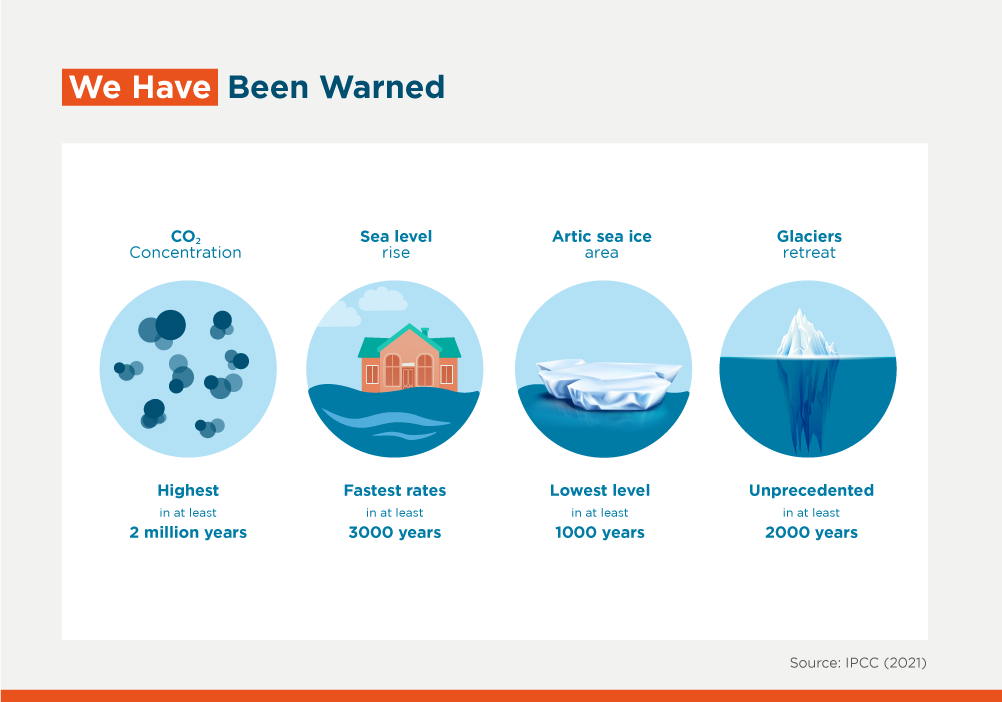
    With 2021 looking to be yet another record year in terms of extreme weather events and surface temperature, news of devastating floods and wildfires have become commonplace. The trend at large is clear: climate change is not something for the 2050s or 2100s. It is happening now and it is accelerating at an alarming pace.  

    Adaptation and resilience are critical to confront climate change and align with the pledges of the Paris Agreement. Even if mitigation measures were implemented as planned in the nationally determined contributions (NDCs), future heating would still be at least 3°C above pre-industrial levels, emphasizing the need for adaptation. In this context, the upcoming climate conference in Glasgow, COP 26, will focus on adaptation amid global demand for more adaptation financing. Increasingly, resources become available to finance adaptation and resilience in the private sector.

    The private sector is showing significant progress in mitigation action. Net zero commitments in alignment with the Paris Agreement have increased as momentum grows to tackle a climate crisis underlined by the Intergovernmental Panel on Climate Change. Adaptation and resilience must become part of the equation for the private sector. Companies can benefit from establishing a robust and resilient climate strategy that covers both adaptation and mitigation actions in tandem.

    Grafica

    The business case for adaptation is strong

    Adaptation and resilience have direct benefits for companies, projects and communities. As the Global Center on Adaptation points out, they provide a triple dividend by avoiding future losses, generating economic gains and creating other social and environmental co-benefits.

    Just like every sector is and will be affected by climate change, every sector can adapt. Adaptation and resilience can take the form of early warning systems, building stronger infrastructure and investing in nature-based solutions. It can also mean climate-smart agriculture or supplier diversification to deal with disruptions from extreme events. Understanding context-specific vulnerabilities through a climate risk assessment and addressing them strategically is key to maximize the cost-benefit proposition.

    With a target of at least 30% climate finance, IDB Invest strategically supports the private sector in Latin America and the Caribbean. Given the private sector currently is focusing mainly on mitigation, there is still a low supply of adaptation projects to finance. IDB Invest looks forward to supporting clients in developing and financing adaptation projects.

    YOU MAY ALSO LIKE

    Supporting Clients

    IDB Invest is committed to supporting clients in building resilience to climate change along their supply chains. For instance, IDB Invest is providing finance and advisory services to foster the sustainability of Naturasol’s vulnerable honey suppliers, who have been impacted by increasingly frequent floods and droughts in Yucatán, Mexico. The technical assistance and supplies will allow 400 beekeepers of Mayan descent to adopt sustainable and biodiversity-friendly practices that are expected to increase their productivity and climate resilience.

    The climate vulnerability assessment of Naturasol’s honey suppliers analysed climate change projections, flood risk, sensitivity to climate variables and adaptive capacity and was the foundation for the development of a capacity building program and investment plan. This program aims to provide technical assistance on best practices for production and feeding, pest management, rearing of queen bees, apiary management, reforestation with native species as well as prevention measures based on weather forecasts.

    Technical assistance is complemented by the provision of inputs to feed the hive in critical times, supplies for dividing colonies and recovering from the losses, investments in genetic improvement, reforestation to preserve the native flora as well as supplies to relocate the beehives in low-risk areas. 

    The Paris Agreement has been a watershed moment for limiting global warming well below 2°C. It likewise acknowledges the pertinent role of adaptation and resilience. For the private sector to be “Paris-aligned” incorporating adaptation in addition to mitigation objectives is pivotal.

    Through finance and advisory services, IDB Invest can help clients assess their climate vulnerability and adopt business models that are resilient and productive in the face of climate variability and more frequent extreme weather events as well as growing sustainability demands in markets at large.

    By elevating adaptation and resilience as essential elements in the climate action agenda of the private sector and encouraging clients to incorporate targets on adaptation and resilience, IDB Invest is looking to help partners join this important global cause.

  • How Emerging European Economies Found a New Monetary Policy Tool

    How Emerging European Economies Found a New Monetary Policy Tool

    The purchase of government bonds by emerging market central banks may be reminiscent for some of the days of monetary financing of the government, which was often followed by rising inflation and currency depreciations. However, the successful actions by several central banks in emerging Europe to buy government bonds during the COVID-19 pandemic countered this history.

    Amid the financial market turmoil at the start of the pandemic, central banks in Croatia, Hungary, Poland, Romania, Serbia, and Turkey rolled out asset purchase programs (APPs), buying up local currency bonds issued by governments but also by the private sector in the case of Hungary. New IMF research suggests that asset purchases in emerging Europe contributed to the relief of financial market dysfunction, without signs of destabilizing effects. With this goal achieved and to support the transmission of higher policy rates to the longer end of the yield curve, central banks in emerging Europe should taper or end asset purchase programs once monetary policies are tightened.

    Asset purchase programs in emerging Europe are distinct

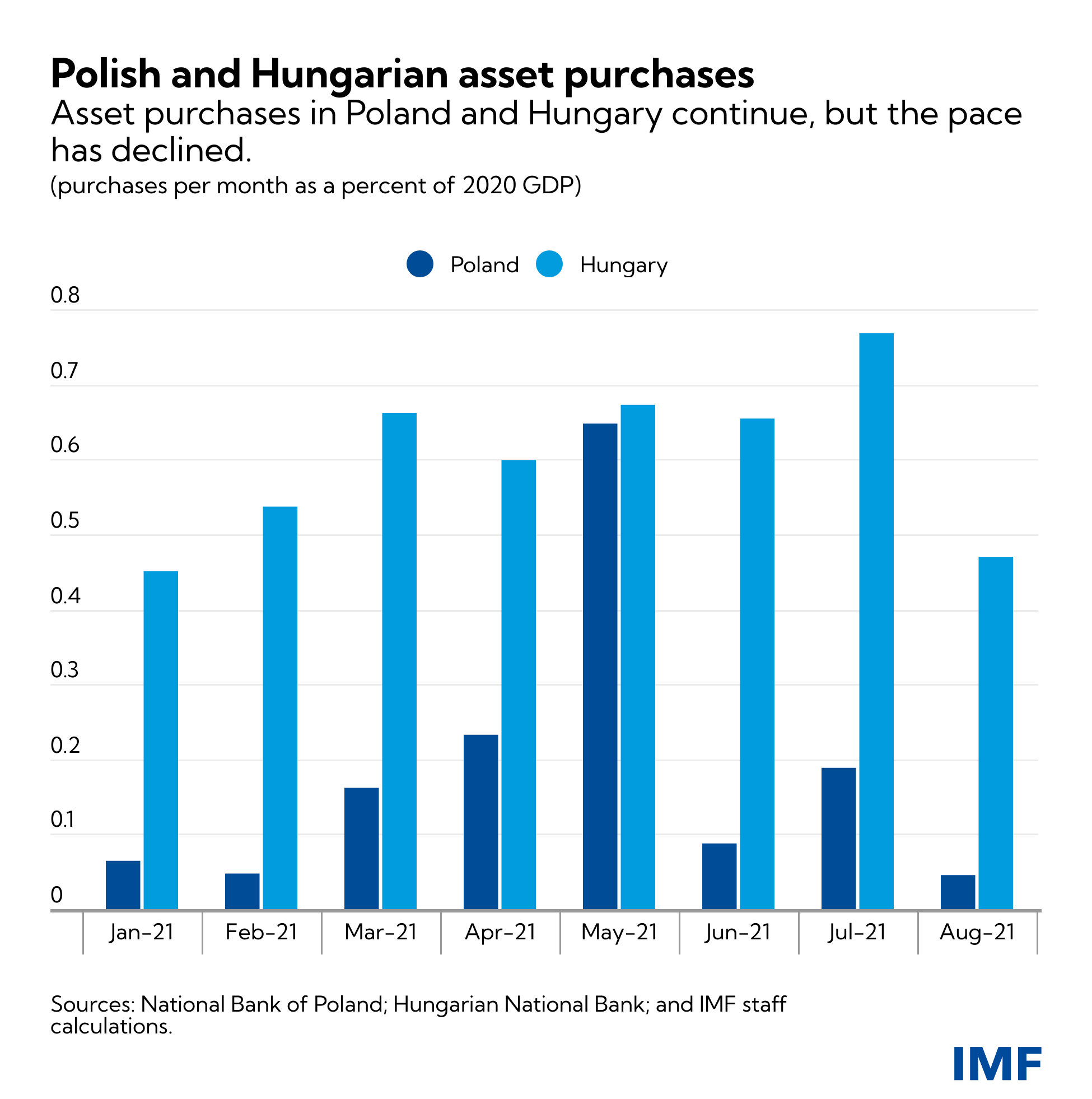
    Compared to APPs employed by advanced economy central banks during the pandemic, most APPs in emerging Europe were smaller in scale, though with significant differentiation within the region. They were also generally limited to the immediate period following the onset of the pandemic, except in Hungary and Poland, where asset purchases continue.

    The limited scale and duration of these APPs is consistent with their goals, which was to mitigate financial market dysfunction, provide liquidity, and repair monetary policy transmission mechanisms. This sets these APPs apart from the quantitative easing employed by advanced economy central banks, which aimed to provide additional stimulus in the context of policy interest rates at or near the effective lower bound. Indeed, APPs in emerging Europe were mostly implemented alongside or even preceded conventional monetary policy easing. For example, Romania’s asset purchase program essentially concluded during the summer of 2020, but the policy interest rate only reached its low of 1.25 percent in January 2021.

    Asset purchase programs reduced bond market pressures

    IMF research suggests that APPs in emerging Europe were successful in alleviating market dysfunction in the immediate aftermath of the pandemic shock. Using an event study approach, we find evidence that APP announcements led to an easing of bond market liquidity pressures and a reversal in the surge in term spreads.

    Importantly, we found no evidence that these APPs led to currency pressures. This may reflect their mostly limited duration and scope. In countries where APPs were more extensive or prolonged, the actions by central banks to absorb the added liquidity created by these purchases may have also played a role in minimizing the impact on exchange rates. For example, the central bank of Poland issued its own securities, while the central bank of Hungary used a deposit facility to drain liquidity created by purchases.

    Tapering or discontinuing remaining asset purchase programs

    After successfully alleviating initial market dysfunction, most APPs in the region have already concluded. For ongoing APPs in Hungary and Poland, central banks should consider the goals and their role in monetary policy tightening, which has already begun in Hungary. Increases in policy rates should be accompanied by a tapering or discontinuation of APPs, which would support the transmission of higher policy rates to the longer end of the yield curve.

    In August, the National Bank of Hungary announced that it would begin to gradually reduce its purchases of government bonds. While the National Bank of Poland has not yet raised interest rates, the pace of purchases has slowed significantly from the spring months.

    The future role of asset purchase programs

    While APPs in emerging Europe were successful during the pandemic and now appear to be part of the toolkit, less clear are the conditions in which to use them in the future. In part, their use may depend on global circumstances. It is important to recognize that the nearly universal easing of monetary policies during the pandemic created more conducive conditions for EMs to employ such tools. It remains to be seen whether APPs could be employed by EMs in response to idiosyncratic shocks without triggering reactions such as currency depreciation.

    Country fundamentals also matter. One concern about APPs in EMs is that they could abet fiscal dominance if they help support deficits that cannot be financed by conventional means. A strong track record of macroeconomic stability and credible economic institutions are likely to mitigate concerns about fiscal dominance. To this end, the structure and discipline provided by EU membership make these risks less acute, potentially enhancing future scope for APPs in these countries.

  • How Countries Can Diversify Their Exports

    How Countries Can Diversify Their Exports

    Four economy-wide factors—governance, education, infrastructure, and trade policy—relate closely to more varied and complex exports across countries

    As the world’s biggest copper producer, Chile’s shipments of the metal meet around one-third of global demand and represent about half its goods exports.

    But beyond mining’s dominance, Chile’s trade flows are more varied and complex than they may appear, with significant exports of vehicles, pharmaceuticals and telecommunications equipment. And according to a recent IMF staff paper, the Andean economy is among those that shine as a role model for diversification policies.

    The new approach to explaining diversification underscores the need to effectively shorten geographic distance by enhancing connectivity between nations.

    By looking beyond commodities, the research shows that economy-wide policies such as governance and education help foster diverse exports more than narrowly targeted industrial policies, a finding that can better guide nations aiming to expand their international trade.

    The examination of 201 countries and territories goes beyond the economic complexity indices that have traditionally been used by economists. Those proxies for the productive capability of a given economic system have strong sensitivity to commodities, which can distort their accuracy.

    For a more nuanced read, staff research proposes new ways to gauge diversity and complexity of national exports and suggests how economy-wide policies can foster such variety. Economists call these horizontal policies because they apply broadly across a country instead of targeting single sectors. The approach also takes stock of an economy’s geographic proximity to trade partners, and how it affects exports excluding commodities like metals or oil.

    This lens offers policymakers lessons for how they can better support more multifaceted trade, a common objective in emerging and developing economies because it’s associated with less volatile economic output and faster long-term expansion.

    Four key factors

    The methodology shows a clear a link between the non-commodity exports that aid diversification and complexity and four economy-wide variables that help support them: governance, education, infrastructure, and open trade. Improving those areas helps to diversify by creating conditions that make it possible to boost complex or higher-value-added exports.

    This is significant because demonstrating how economy-wide policies do explain diversification challenges the belief that industrial policies, meant to support specific industries, offer the best way to broaden trade.

    The analysis shows that, except for abundant copper reserves, Chile’s economic profile, surprisingly, resembles Malaysia’s. The Asian nation has similarly strong education and institutions, but it benefits from being much closer to the major global supply-chain hubs of China, Japan and Korea.

    Prominent Asian and European exporters, from Hong Kong and Singapore to Ireland and Denmark, have among the most diverse and complex shipments and the strongest horizontal policies.

    Good policies can make a big difference

    For governments aspiring to more varied trade flows, the new approach to explaining diversification underscores the need to effectively shorten geographic distance by enhancing connectivity between nations. Better transportation logistics, at seaports for example, effectively shorten distance by reducing transit times for goods. Other helpful policies include easing trade policy barriers, enhancing trade facilitation, fostering the spread of technology through educational exchange programs, and investing in communication technologies such as broadband that support the digital economy.

    Strengthening horizontal policies may seem challenging, especially for countries with lower income. However, several countries have much stronger policies than expected for their income levels, including Rwanda for governance; Georgia and Ukraine for educational attainment; Malaysia for infrastructure; and Mauritius and Peru for tariffs. These economies can be role models.

    To be sure, that doesn’t deny the potential effectiveness of more targeted support for individual sectors. Industrial policy levers, though, may be less effective or even harmful. Potential drawbacks include diminished fiscal capacity, a race to the bottom in taxation, and eroded multilateralism. Furthermore, there is no cross-country statistical evidence of their effectiveness.

    Instead, diversification strategies built around broader policies and connectivity are both less controversial and more supportive of export diversification and complexity.

  • The inaugural Brickell Wine & Food Festival 2021 designates the honorable city of Miami mayor Francis X. Suarez as the “Grand Chef” of the festival

    The inaugural Brickell Wine & Food Festival 2021 designates the honorable city of Miami mayor Francis X. Suarez as the “Grand Chef” of the festival

    Únase a la Cámara de Comercio de Miami Brickell en el lanzamiento de la conferencia de prensa del evento Inaugural Brickell Wine & Food Festival (BrickellWFF) con el artista Stephen Gamson para presentar el Póster y Arte Oficial de BrickellWFF.

    Brickell, Miami, Florida – La Cámara de Comercio de Miami Brickell presentará la conferencia de prensa del Brickell Wine and Food Festival (BrickellWFF), que tendrá lugar en el restaurante CH’I ubicado en el centro de la ciudad de Brickell, dirección 701 S. Miami Ave. 3er piso en Jueves 30 de septiembre de 2021 a las 10 am y con la designación del Honorable Alcalde de la Ciudad de Miami, Francis X. Suárez, como el “Gran Chef”.

    The Miami Brickell Chamber of Commerce is proud to bring The Brickell Wine and Food Festival for the first time to be held in the Brickell neighborhood in the City of Miami on the dates of November 17-21, 2021. The BrickellWFF press conference will serve three purposes:

    1. The Designation of the Honorable City of Miami Mayor Francis X. Suarez as the “Grand Chef” of the BrickellWFF Event.
    2. The unveiling of the official BrickellWFF event poster by artist Stephen Gamson.
    3. The launch of the BrickellWFF event website and ticket sales platform.

    “Mayor Francis X. Suarez embodies everything that the City of Miami represents, family & cultural diversity, amazing culinary fusion and the welcoming environment for all to enjoy an excellent quality of life”- says Evelio Medina, President/CEO Miami Brickell Chamber of Commerce and Founder of the BrickellWFF.

  • Announces American Airlines and IndiGo Codeshare Agreement Providing More Options and Seamless Connectivity Across India

    Announces American Airlines and IndiGo Codeshare Agreement Providing More Options and Seamless Connectivity Across India

    • American Airlines e IndiGo anuncian un acuerdo de código compartido, lo que facilita más que nunca a los clientes viajar a India.
    • Los clientes de American tendrán acceso a 29 nuevas rutas desde Bangalore y Delhi.
    • Los miembros de AAdvantage ganarán millas cuando viajen en vuelos de código compartido de American operados por IndiGo.

    FORT WORTH, Texas – American Airlines abrirá nuevas puertas en India este otoño gracias a un nuevo acuerdo de código compartido con IndiGo, la aerolínea líder en India. El acuerdo, anunciado hoy, colocará el código de American en 29 de las rutas nacionales de IndiGo en India, proporcionando una opción conveniente para los clientes de American Airlines que lleguen en los nuevos vuelos de la aerolínea en Bengaluru (BLR) y Delhi (DEL), India. Se espera que el código compartido, que requerirá la aprobación de los gobiernos de EE. UU. E India, comience en octubre, cuando American lance un nuevo servicio entre Nueva York (JFK) y DEL el 31 de octubre y entre Seattle (SEA) y BLR el 4 de enero. 2022.

    “Estamos ansiosos por agregar a IndiGo como nuestro socio de confianza en la India”, dijo Vasu Raja, director de ingresos de American. “Ya sea que nuestros clientes viajen por negocios o por placer, esta nueva asociación facilita el acceso a los cuatro rincones de la India. Hoy estamos agregando 29 nuevas rutas a nuestro mapa como resultado de este acuerdo, brindando a los clientes aún más opciones en todo el mundo ”.

    Cuando comience el acuerdo de código compartido, los miembros del programa de lealtad AAdvantage® de American ganarán millas cuando viajen en vuelos de código compartido de American operados por IndiGo. Los clientes que aún no son miembros del galardonado programa AAdvantage pueden inscribirse en línea y disfrutar de beneficios inmediatos como el embarque en el Grupo 6 en vuelos operados por American.

    “Estamos encantados de firmar este acuerdo de código compartido con una de las aerolíneas más grandes y de mayor reputación del mundo”, dijo Ronojoy Dutta, director ejecutivo de IndiGo. “Confiamos en que esta será una asociación sólida que creará muchas oportunidades para el comercio y el turismo a través de la perfecta conectividad nacional de IndiGo. Esperamos tener clientes de American en nuestra máquina voladora limpia y ajustada, ya que les ofrecemos nuestra experiencia de viaje puntual, asequible, cortés y sin complicaciones “.

    IndiGo, la aerolínea más grande de la India por número de pasajeros transportados, tiene su sede en Gurgaon, Haryana, India. Con su flota de más de 275 aviones, la aerolínea opera más de 1,100 vuelos diarios, conectando 70 destinos domésticos y 24 destinos internacionales. Desde su fundación en 2006, los 23.000 empleados de IndiGo han servido profesionalmente a más de 300 millones de clientes.

    Relájate antes de despegar

    Los clientes que viajen en la cabina Business Flagship® de American en DEL – JFK o BLR – SEA tendrán acceso a los salones asociados de IndiGo en su ciudad de origen, donde podrán relajarse, descansar y disfrutar de comida caliente, bebidas, Wi-Fi y más. Los clientes pueden obtener más información sobre las ubicaciones y las ofertas de las salas VIP en el sitio web de IndiGo .

    Acerca de American Airlines Group
    El propósito de American es cuidar a las personas en el viaje de la vida. Las acciones de American Airlines Group Inc. cotizan en Nasdaq bajo el símbolo de cotización AAL y las acciones de la compañía están incluidas en el S&P 500. Obtenga más información sobre lo que está sucediendo en American visitando news.aa.com y conéctese con American en Twitter @AmericanAir y en Facebook.com/AmericanAirlines .

    Acerca de IndiGo
    IndiGo se encuentra entre las aerolíneas de bajo costo de más rápido crecimiento en el mundo. IndiGo tiene una filosofía simple: ofrecer tarifas asequibles, vuelos puntuales, ofreciendo una experiencia de viaje cortés, higiénica y sin complicaciones. Con su flota de más de 275 aviones, la aerolínea opera más de 1.100 vuelos diarios y conecta 70 destinos nacionales (incluido Bareilly) y 24 destinos internacionales. Para obtener más información, visite www.goIndiGo.in . También puede conectarse con nosotros en Facebook , Twitter e Instagram .

  • Carnival Corp. Announces Global Leadership Team Appointments

    Carnival Corp. Announces Global Leadership Team Appointments

    MIAMI, Fl. (Sept. 28, 2021) – Carnival Corporation & plc (NYSE/LSE: CCL; NYSE: CUK), the world’s largest cruise company, announced two appointments within its global leadership team, naming industry veterans to lead operations for Carnival UK and Carnival Australia.

    Effective Oct. 18, Sture Myrmell, currently president of P&O Cruises Australia and president of Carnival Australia, will begin his new role as president of Carnival UK, the UK’s largest cruise operator, overseeing the Cunard and P&O Cruises UK cruise line brands. Myrmell, who will be based in Southampton, England, will also serve temporarily as president of Cunard during the recruitment for that position. He will report directly to Josh Weinstein, chief operations officer for Carnival Corporation, who also has responsibility for Carnival UK.

    Effective Jan. 10, 2022, Marguerite Fitzgerald, most recently serving as the lead for Boston Consulting Group’s (BCG) global lodging and leisure practice, as well as its global strategy business, will assume Myrmell’s prior position serving a dual role as president of P&O Cruises Australia and Carnival Australia. Fitzgerald, a global travel and tourism veteran bringing deep expertise in all aspects of cruise operations to Carnival Corporation, will be based in Sydney and report directly to Jan Swartz, group president, Holland America Group.

    “Sture is a two-decade-plus veteran at our company, so we look forward to him bringing his deep experience, excellent leadership skills and proven track record of success to a new leadership opportunity,” said Weinstein. “He will play a crucial role in our success in the UK, and we look forward to his contributions as we deliver to our guests the best vacation experiences in the world.”

    With over 20 years of experience with Carnival Corporation, Myrmell has served in multiple positions across the Princess Cruises, Cunard, Seabourn and P&O Australia brands. In his new role with Carnival UK, Myrmell replaces Simon Palethorpe, who will be leaving the company at the end of November after six years for a new opportunity.

    “Simon has been a true asset for the company these past years, and we wish him the best with this new opportunity,” said Weinstein. “He successfully revitalized the Cunard brand and then ably stepped into the role of president of Carnival UK for the past 15 months, leading both P&O Cruises and Cunard back into guest operations this summer with the Carnival UK executive team.”

    Australian-born Fitzgerald brings two decades of strategy and operational experience in retail and leisure travel to her dual-role position with Carnival Australia, replacing Myrmell.

    Fitzgerald has worked across global geographies developing international strategies for travel and tourism companies, including over 10 years working with cruise lines – including several Carnival Corporation brands – in virtually every area of operations, from commercial to hotel to maritime. Prior to her time at BCG, Fitzgerald served for several years in the Australian power industry.

    “Marguerite is a trusted global authority in the travel and tourism industry with extensive expertise in the worldwide cruise passenger market, including direct experience working in the Australian and New Zealand region,” said Swartz. “With the insight she brings from consulting with some of the world’s most well-known travel and tourism companies, including several of our brands, she is uniquely qualified to make a strong contribution to Carnival Australia’s continued success. We are delighted to welcome her to the team.”

    About Carnival Corporation & plc

    Carnival Corporation & plc is one of the world’s largest leisure travel companies with a portfolio of nine of the world’s leading cruise lines sailing to all seven continents. With operations in North America, Australia, Europe and Asia, its portfolio features Carnival Cruise Line, Princess Cruises, Holland America Line, Seabourn, P&O Cruises (Australia), Costa Cruises, AIDA Cruises, P&O Cruises (UK) and Cunard.

    Additional information can be found on www.carnivalcorp.com, www.carnival.com, www.princess.com, www.hollandamerica.com, www.seabourn.com, www.pocruises.com.au, www.costacruise.com, www.aida.de, www.pocruises.com and www.cunard.com.